

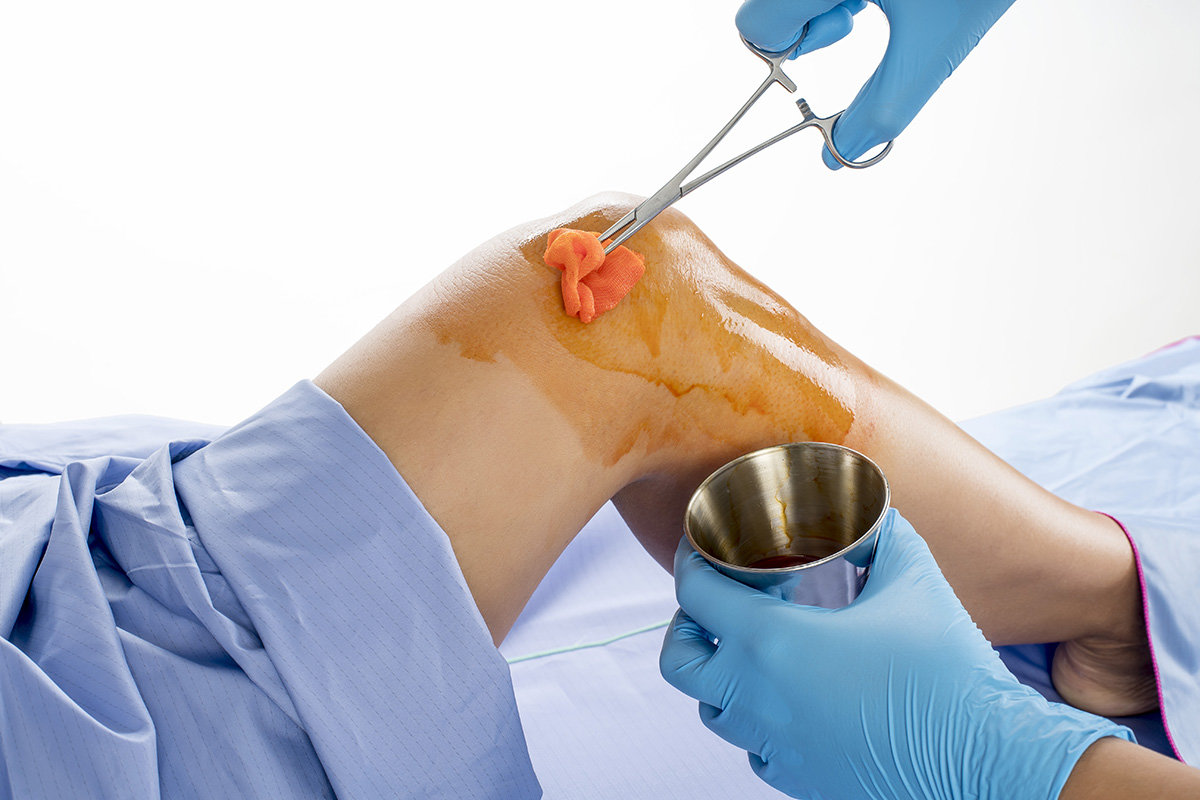
 Higiene y Antisepsia
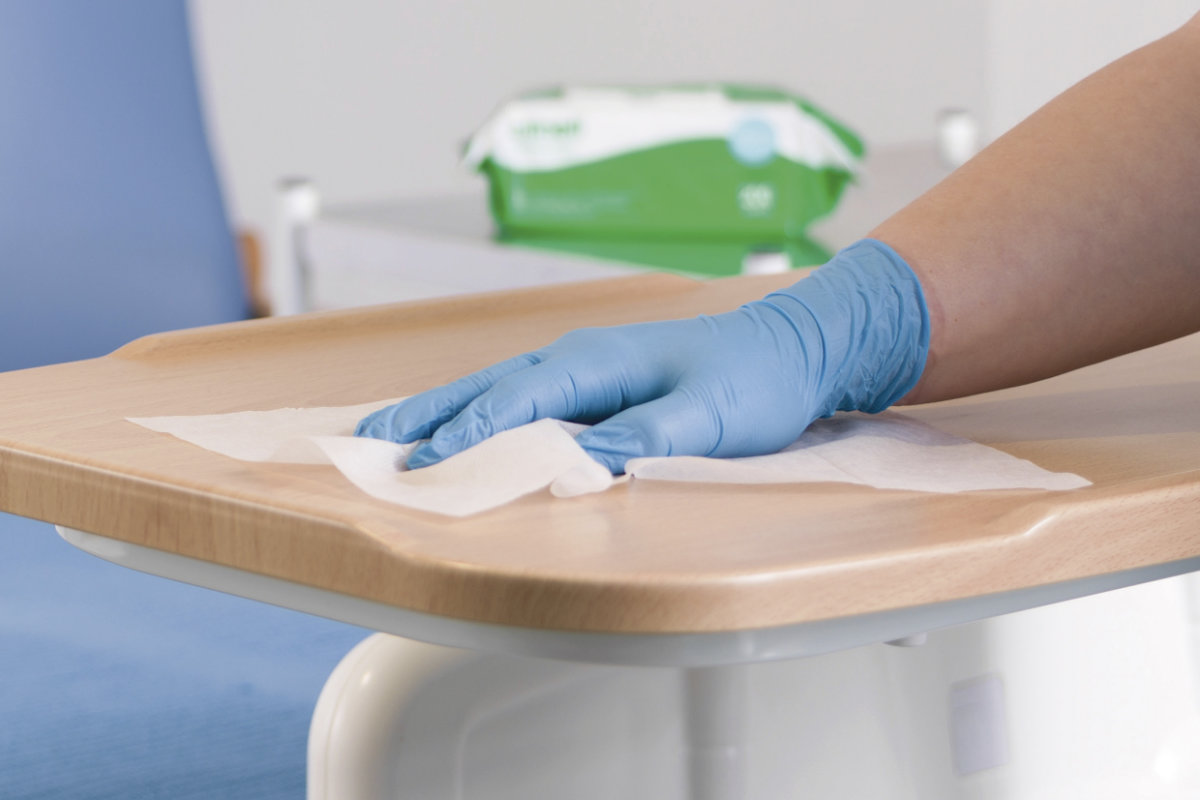 Superficies
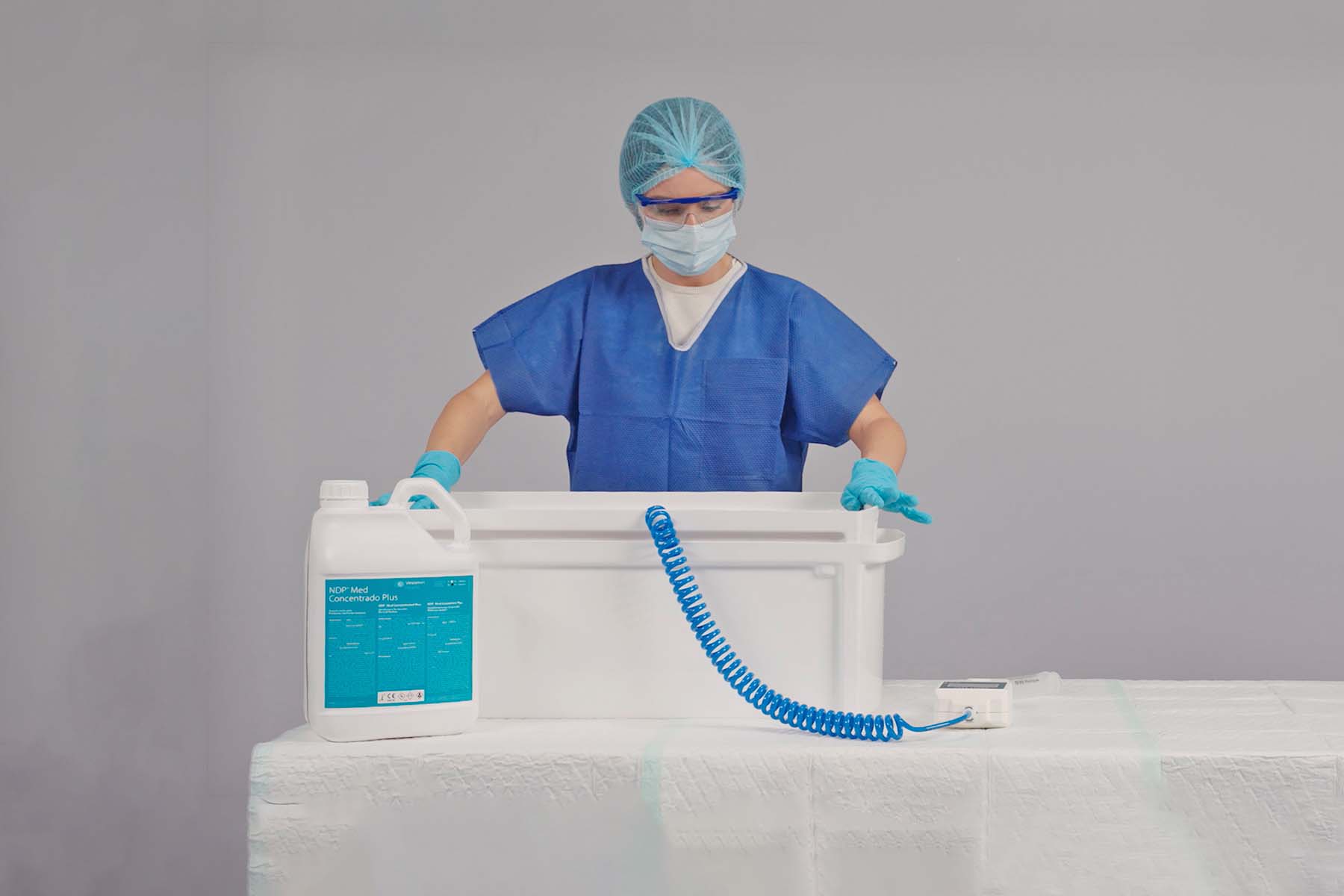 Instrumental
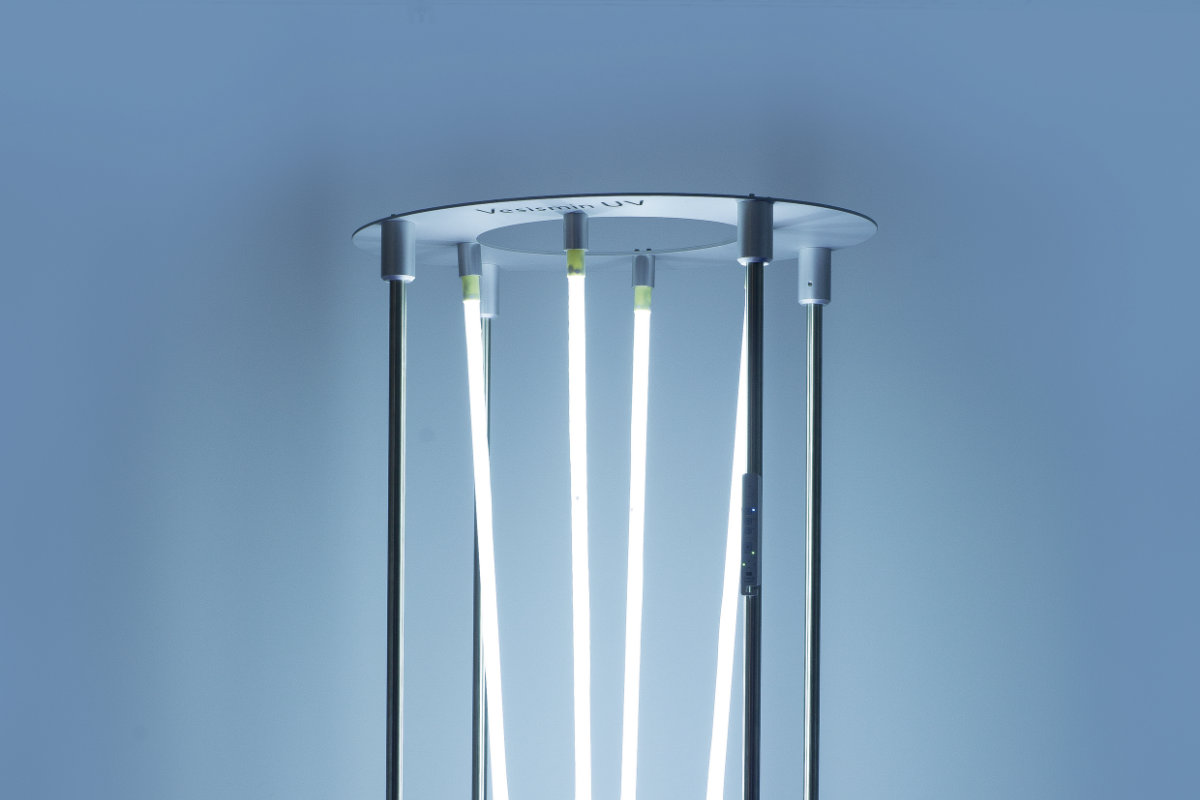 Equipamiento
 Accesorios
 NOTICIAS
Nuestro propósito es ayudar a prevenir infecciones y mejorar la calidad de vida de las personas
Vesismin Health forma parte del Grupo schülke
Presentes en más de 35 países
Líderes en Clorhexidinas coloreadas
Más de 50 partners en todo el mundo
Conoce nuestros productos
Disponemos de la más completa y variada gama de productos para la Prevención de Infecciones: antisépticos en base a clorhexidina, líderes en el mercado; desinfectantes para superficies; soluciones de desinfección de Alto Nivel para dispositivos médicos y equipamientos basados en las tecnologías más avanzadas.
Por gama
Por sector

Tu aliado en la lucha contra las IRAS
Acompañamos a los profesionales de Prevención y Control de Infecciones.
Ver másNovedades
NOTICIAS
 NOTICIAS
Antisépticos de uso prequirúrgico y punto de inyección: coexistencia de Medicamentos y Biocidas durante un período transitorio
Desde el 1 de junio de 2022, los antisépticos destinados al campo quirúrgico preoperatorio y a la desinfección del punto de inyección se consideran Medicamentos. ÚLTIMAS ENTRADAS
Vesismin lanza en España el uso de la octenidina en el tratamiento de las heridas
Debido a que la piel está constantemente expuesta a posibles lesiones, la curación de heridas es un proceso fundamental para la supervivencia de todos los órganos.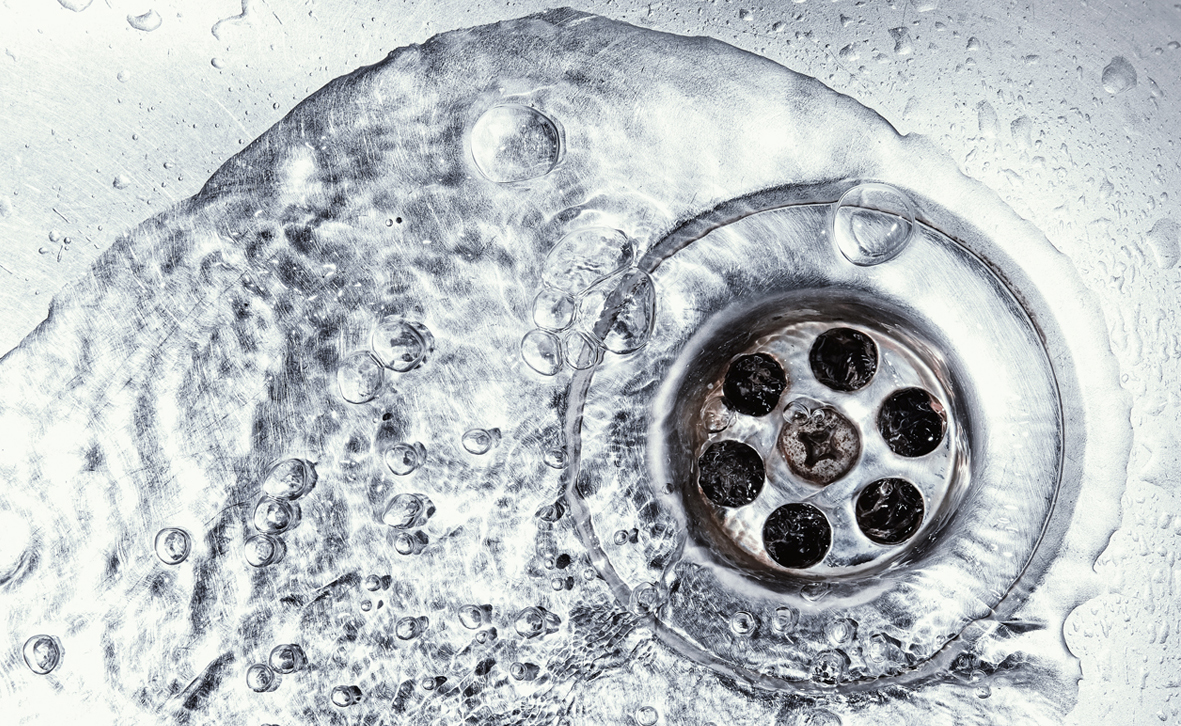 ÚLTIMAS ENTRADAS
Desagües hospitalarios: un reservorio oculto de las IRAS
Los desagües se han identificado como importantes reservorios de patógenos, sobre todo de las bacterias gramnegativas multirresistentes.Unión Europea
Fondo Europeo de Desarrollo Regional
“Una manera de hacer Europa”
Vesismin SLU en el marco de Programa ICEX Next, ha contado con el apoyo de ICEX y con la cofinanciación del fondo europeo FEDER



VESISMIN, S.L.U. ha recibido la ayuda concedida por el Ministerio de Industria, Comercio y Turismo, para llevar a cabo el proyecto PORTAL TRAZABILIDAD con número de expediente IC4-070010-2022-7 dentro de la línea de ayudas de Proyectos I+D+i Industria conectada 4.0 (ACTIVA-Financiación) del año 2022, en el marco del Plan de Recuperación, Transformación y Resiliencia.
Esta línea de ayuda está regulada por la Orden ICT/713/2021, modificada por la Orden ICT/235/2022, por la que se establecen las bases reguladoras, así como la Orden de 12 de abril de 2022 por la que se efectúa la convocatoria de concesión de ayuda a proyectos ACTIVA-Financiación - 2022.